
How to Improve Cognitive Function Naturally: 7 Daily Habits
You can improve cognitive function naturally by combining a handful of habits that work together: regular aerobic exercise, seven to nine hours of sleep, a Mediterranean-style diet, stress management, mentally demanding activities, social contact and, if you choose, targeted nutritional support. No single trick does it. Major medical centers describe the same multi-pronged plan, and most of it costs nothing. Below you will find the numbers, a realistic weekly routine, and how a restorative nootropic fits in.
TL;DR
- Aim for at least 150 minutes of moderate aerobic activity a week and 7 to 9 hours of sleep a night. These two habits have the strongest backing.
- Eat in a Mediterranean or MIND pattern: vegetables, whole grains, healthy fats, and protein foods.
- Manage stress on purpose. Mindfulness, biofeedback and exercise all improved attention in one randomized trial.
- Keep your brain challenged with new skills, reading, music and people, not only puzzles.
- Ongoing memory or word-finding problems deserve a doctor’s visit, not a supplement.
Table of Contents
- What “cognitive function” actually covers
- 1. Move more: the 150-minute baseline
- 2. Protect your sleep
- 3. Eat for your brain
- 4. Manage stress before it manages your focus
- 5. Keep your brain challenged
- 6. Stay socially connected
- 7. Consider targeted nutritional support
- A realistic weekly routine
- How long until you notice a difference?
- Signs that deserve a doctor’s visit
- Perspective
- Add restorative support to your routine
- FAQ
- Sources
What “cognitive function” actually covers
Cognitive function is the set of mental skills you use all day: attention, working memory, learning, reasoning, language and decision-making. When people say they want to “think more clearly,” they usually mean one of three things: focusing without drifting, remembering what they just read or heard, or finding the right word in a meeting.
Harvard Health frames cognitive fitness as a multi-pronged plan that integrates nutrition, exercise, stress reduction, social interaction, sleep and stimulating activities. That is a useful way to read the rest of this article. Each habit below covers a different lever, and they reinforce one another. Poor sleep makes stress harder to handle. Stress makes exercise feel impossible. Exercise improves sleep. Start with the lever that is weakest for you.
1. Move more: the 150-minute baseline
If you do one thing from this list, make it regular aerobic exercise. Federal guidelines cited by the National Institute on Aging recommend that adults get at least 150 minutes of physical activity each week, and the Institute notes walking is a good starting point.
Mayo Clinic gives the same target in two versions: 150 minutes of moderate aerobic activity or 75 minutes of vigorous activity per week. A Cleveland Clinic physician adds a mechanism: exercise increases the activity of neurotransmitters and trophic factors in the brain.
What 150 minutes looks like in practice:
- Five 30-minute brisk walks, ideally one of them outdoors.
- Three 50-minute cycling or swimming sessions.
- A mix: two 25-minute jogs plus three 20-minute walks after meals.
If you are starting from zero, begin with 10-minute walks and add five minutes a week. Consistency beats intensity here. If you have a heart condition or have been inactive for a long time, check with your doctor before ramping up.
2. Protect your sleep
Sleep is where your brain consolidates what you learned and clears out metabolic waste. Cleveland Clinic explains that sleep helps the brain clear away waste products, and that chronic sleep deprivation makes it harder to encode new information and retrieve existing memories.
The targets are consistent across sources. The National Institute on Aging advises seven to nine hours each night for most adults. Mayo Clinic’s cognitive health guidance links chronic sleep loss to difficulty concentrating and impaired memory. And Cleveland Clinic reports that consistently sleeping fewer than five hours a night doubles dementia risk, with trouble falling asleep also raising it.
Practical steps:
- Keep a fixed wake-up time, even on weekends.
- Stay off screens before bed, as the Alzheimer’s Association recommends.
- Keep the room cool and dark, and finish heavy meals and caffeine well before bedtime.
- If you lie awake most nights for weeks, talk to your doctor about it rather than pushing through.
Mayo Clinic also notes that even short, 6-minute naps have been shown to improve cognitive function in some studies, though a nap never replaces a night of sleep.
3. Eat for your brain
The Academy of Nutrition and Dietetics says eating patterns such as the Mediterranean diet and the MIND diet may help protect against cognitive decline. It singles out omega-3 fatty acids, B vitamins, antioxidants and phytonutrients, vitamin D and choline as especially important nutrients, and recommends getting them from a variety of fruits, vegetables, whole grains, protein foods and healthy fats.

The research is still developing. A 2021 study in Frontiers in Aging Neuroscience found that Mediterranean diet adherence was associated with two-year changes in a standard cognitive screening score and in executive function tests, while MIND diet adherence was associated with a working memory measure. A separate three-year randomized trial compared the MIND diet with a control diet in older adults at risk for dementia, which shows how seriously the field takes the question.
A simple way to eat this way without counting anything:
| Build your plate around | Examples |
|---|---|
| Leafy greens and vegetables | Spinach, kale, broccoli, peppers |
| Berries and fruit | Blueberries, strawberries, oranges |
| Whole grains | Oats, brown rice, whole-wheat bread |
| Healthy fats | Olive oil, nuts, fatty fish |
| Protein foods | Fish, beans, eggs, poultry |
The goal is a pattern across weeks, not a single “brain food.” If one meal goes sideways, the next one is another chance.
4. Manage stress before it manages your focus
Chronic stress is one of the most common reasons people feel mentally foggy, and it is also one of the most fixable. A 2016 randomized controlled trial found that daily mindfulness meditation, heart rate variability biofeedback and daily exercise were all effective self-help methods for improving attention control, executive functioning, self-compassion and worry in stressed young adults, with no significant differences between the three.
That result is encouraging because it means you can choose the method you will actually keep doing. Try one of these for two weeks:
- Ten minutes of mindfulness each morning, using any free timer.
- Slow breathing at a set time, such as before your first meeting.
- A daily walk that doubles as exercise and stress relief.
If stress feels bigger than a habit can handle, working with a professional is a legitimate part of a cognitive health plan. Approaches such as personalized cognitive behavioral therapy address anxiety, low mood and emotional strain, all of which pull on attention and memory. For more on the stress side, our guides on how to recover from stress and why stress causes brain fog go step by step, and afternoon brain fog covers the 3 p.m. slump specifically.
5. Keep your brain challenged
Mayo Clinic recommends challenging your brain with crosswords, reading, games, musical instruments, new hobbies and volunteering. Cleveland Clinic compares keeping your brain active to working out a muscle, and suggests memory techniques such as mnemonics, repetition, chunking, brain breaks, and organizers like planners and to-do lists.
A few ways to apply that:
- Learn something with a learning curve. An instrument, a language or a new software skill asks more of you than a familiar crossword.
- Chunk what you want to remember. Break a phone number, a presentation or a set of names into groups of three or four.
- Offload the trivial. A calendar and a list free working memory for the things that need thinking.
- Take brain breaks. Step away for a few minutes between demanding tasks.
Puzzles and games are a perfectly good part of this. Treat them as one ingredient among several, alongside movement, sleep and people.
6. Stay socially connected
Social interaction is one of the pillars in Harvard Health’s cognitive fitness plan, and it shows up in volunteering, which Mayo Clinic lists among brain-challenging activities. Conversation asks your brain to track context, read tone, retrieve words and respond in real time. That is a lot of cognitive work packed into a coffee with a friend.
If you find social situations draining or hard to read, that is a skill that can be practiced. Our practical guides on improving social intelligence and improving verbal fluency cover habits and drills you can start this week.
7. Consider targeted nutritional support
Once the basics are in place, some people add a supplement to support the nervous system. This is where a restorative approach differs from the stimulant-heavy products many people associate with nootropics. Rather than pushing your system harder, a restorative formula is designed to nourish the systems that clear thinking depends on: neurotransmitter health and resilience to nervous system stress.
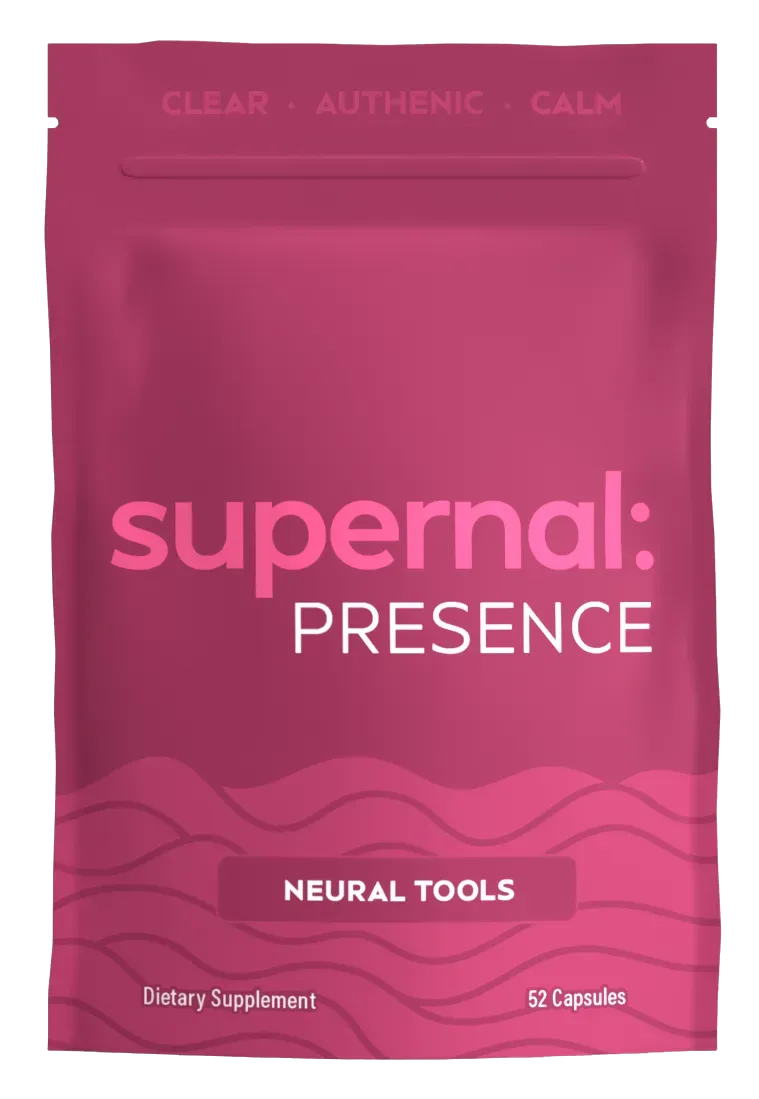
If you are new to the category, start with what nootropics are and how they are meant to work in our guide on what nootropics actually do, then read safe nootropics for beginners. For the bigger picture on how the nervous system underpins focus, see nervous system support.
A supplement works best as a layer on top of sleep, movement and food, not as a replacement for them. If you take prescription medication, are pregnant or nursing, or have a medical condition, check with your doctor or pharmacist before adding any supplement.
A realistic weekly routine
Habits stick when they are small and scheduled. Here is a sample week that fits a working adult and hits the numbers above.
| Day | Movement | Brain and mood | Evening |
|---|---|---|---|
| Mon | 30-minute brisk walk | 10 minutes of mindfulness | Screens off 30 minutes before bed |
| Tue | 30-minute bike or swim | 20 minutes on a new skill | Same bedtime |
| Wed | 30-minute brisk walk | 10 minutes of mindfulness | Screens off, light dinner |
| Thu | 30-minute jog or class | Call or meet a friend | Same bedtime |
| Fri | 30-minute brisk walk | 20 minutes on a new skill | Wind-down routine |
| Sat | Longer hike or sport | Hobby, music or volunteering | Consistent wake-up next day |
| Sun | Easy walk or stretching | Plan the week in a notebook | Early night |
Five 30-minute sessions put you at 150 minutes. The weekend adds a buffer. Adjust the activities to what you enjoy, because that is what you will repeat.
How long until you notice a difference?
Some effects arrive fast. A walk, a good night of sleep or a few minutes of slow breathing can sharpen attention the same day. Others build quietly over weeks and months: the diet pattern, the fitness gains, the stress resilience. Keep a simple log for a month, with sleep hours, minutes of exercise and a 1 to 5 rating of focus at midday. Patterns usually show up faster on paper than in your memory.
Signs that deserve a doctor’s visit
Occasional fog after a bad night is normal. Persistent change is different. Northwestern Medicine lists common brain fog symptoms as trouble concentrating, memory problems, forgetfulness and difficulty organizing thoughts, and advises seeing a doctor if you notice ongoing trouble remembering conversations or events, difficulty finding words, problems processing information, changes in mood or personality, or difficulty completing everyday tasks.
AARP lists short-term memory loss and frequent word-finding difficulty among early warning signs of dementia, and quotes a University of Michigan neurologist noting that many causes of thinking and memory changes, including medication side effects and hormone imbalances, may be treatable. Northwestern’s Dr. Carroll adds that working with your healthcare team to find the underlying factors often leads to improvement. Book an appointment with your primary care physician, who can check for those causes and refer you to a neurologist if needed.
Perspective
We built PRESENCE around a simple observation: most people who say they want to think better are not short of stimulation. They are running a nervous system that is tired, overloaded and under-supported. Another hit of stimulant does not fix that.
That is why our approach is restorative. PRESENCE is designed to support neurotransmitter health and to build resilience against nervous system stress, with ingredients chosen to encourage mental clarity, emotional balance and social intelligence without the harsh edge many people expect from nootropics. We see the benefit as something that develops over time, which is why we pair it so naturally with the habits in this article: sleep, movement, good food and calm.
Our view is that the best results come from stacking. Build the foundation, then give your nervous system the targeted support it can use. When the basics and the formula work together, clarity stops being something you chase and becomes something you carry.
Calvin
Add restorative support to your routine
If you have your sleep, movement and food in motion and want targeted nervous system support on top, PRESENCE is our restorative nootropic in capsule form. It is designed to support neurotransmitter health, mental clarity and emotional balance without harsh stimulants. You can order once or subscribe monthly, from $42 per month.

See the details on the PRESENCE product page, or browse the full shop. If you want to compare ideas first, our guides on thinking faster naturally and nootropics for memory and learning are good next reads.
FAQ
How can I improve my cognitive function quickly?
The quickest wins are a good night of sleep, a brisk walk and a few minutes of slow breathing or mindfulness. These can sharpen attention the same day. Lasting change comes from repeating them: 150 minutes of exercise a week and 7 to 9 hours of sleep a night are the targets major health organizations give.
Which foods boost cognitive function?
No single food does it. The Academy of Nutrition and Dietetics points to Mediterranean and MIND-style patterns rich in vegetables, fruit, whole grains, protein foods and healthy fats. It names omega-3s, B vitamins, antioxidants, vitamin D and choline as important brain nutrients, so fatty fish, leafy greens, berries, nuts and eggs are sensible regulars.
Do brain games really help?
Puzzles, chess, card games and similar activities are a good way to keep your mind engaged, and Mayo Clinic lists them among brain-challenging activities. They work best alongside exercise, sleep and social time. Learning something new, like an instrument or language, asks more of your brain than repeating a familiar game.
What are the signs of poor brain function?
Trouble concentrating, forgetfulness and difficulty organizing thoughts are common signs of brain fog. See a doctor if you have ongoing trouble remembering conversations, finding words, completing everyday tasks, or notice changes in mood or personality. Many causes are treatable, so getting checked is worthwhile.
Sources
- A Guide to Cognitive Fitness, Harvard Health
- Cognitive Health and Older Adults, National Institute on Aging
- 8 tips for better brain health, Mayo Clinic
- Lifestyle Matters Most, Mayo Clinic
- The 6 Pillars of Brain Health, Cleveland Clinic
- 13 Ways To Improve Your Memory, Cleveland Clinic
- 10 Healthy Habits for Your Brain, Alzheimer’s Association
- Feeding Your Body, Feeding Your Brain, Academy of Nutrition and Dietetics
- Mediterranean, DASH, and MIND Dietary Patterns, Frontiers in Aging Neuroscience
- Trial of the MIND Diet for Prevention of Cognitive Decline
- Mindfulness, biofeedback and exercise RCT
- Feeling Foggy? Brain fog, Northwestern Medicine
- 15 Early Warning Signs of Dementia, AARP
- Cognitive behavioral therapy support, Psico Ávila